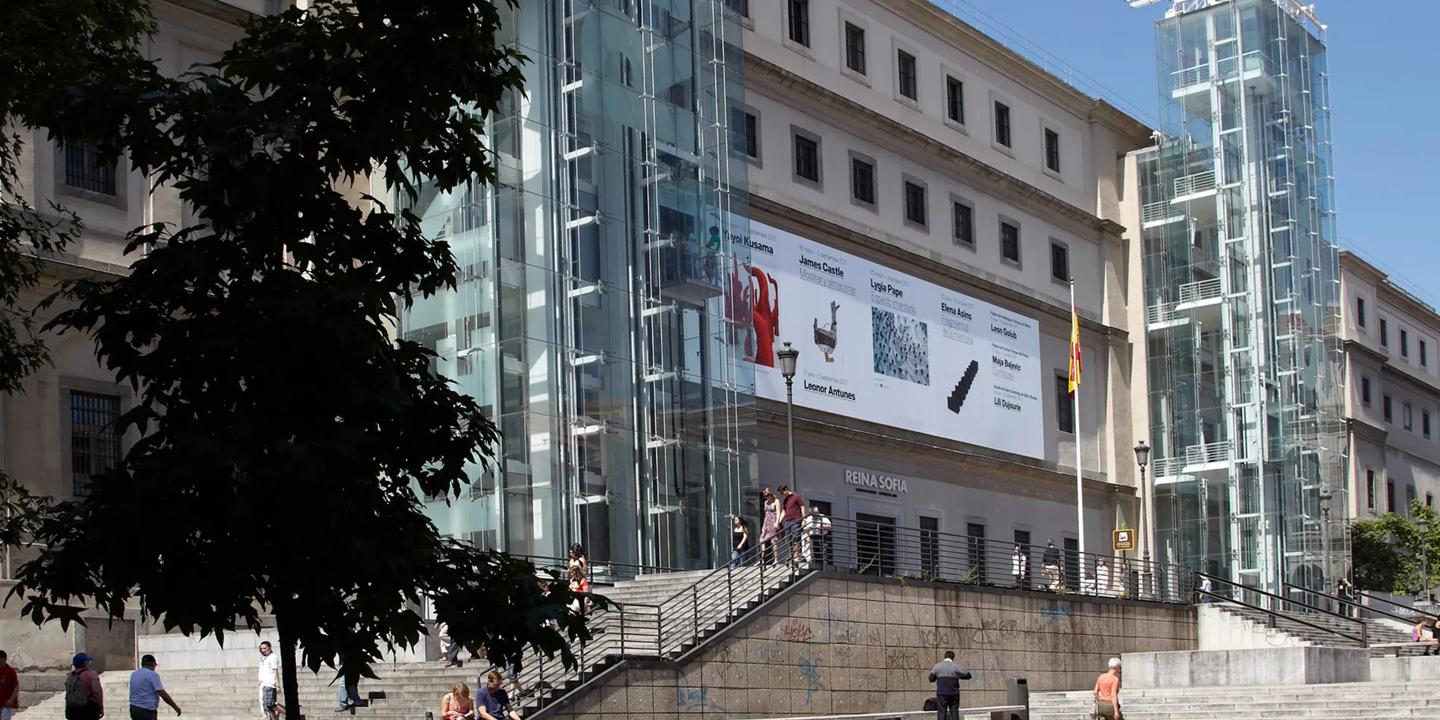
Centro de Arte Reina Sofía
It is one of the world’s most prestigious art museums, yet a lot less well-known than the Tate or Louvre. Perhaps it’s because of the long name or its proximity to the more famous Prado, but it’s definitely not due to the collection. The Museo Nacional Centro de Arte Reina Sofía in Madrid is home to major names in the art world such as Picasso, Miró and Dalí.
Miró’s martian
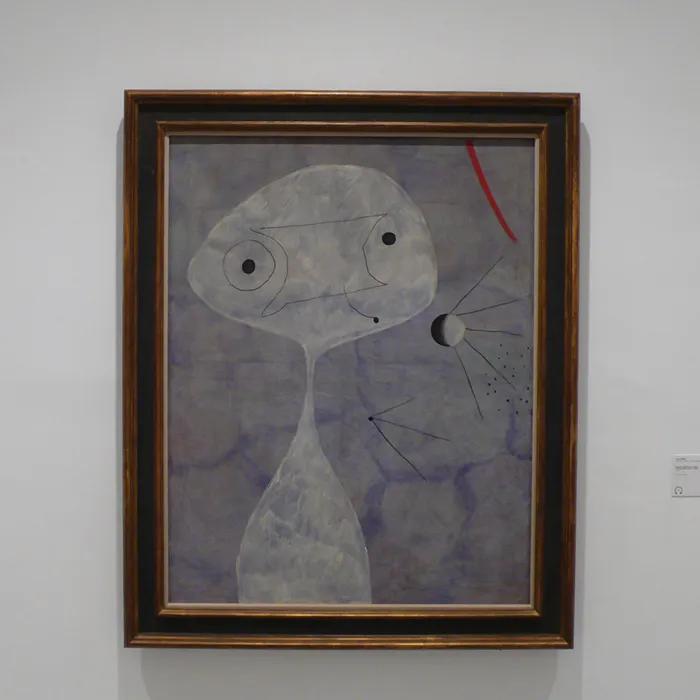
Many of the Mirós in the Reina Sofía date from his later years in the 1970s, when the Catalan master embraced the cheerful abstract style in primary colours. ‘Hombre con pipa’, on the other hand, is one of his early works. It is a surrealistic, almost hallucinogenic portrait in subdued shades with a stripe of red, depicting what appears to be an extra-terrestrial with saucer-shaped penetrating eyes and a pipe that is open to all kinds of interpretation.
Dalí’s ‘Great Masturbator’
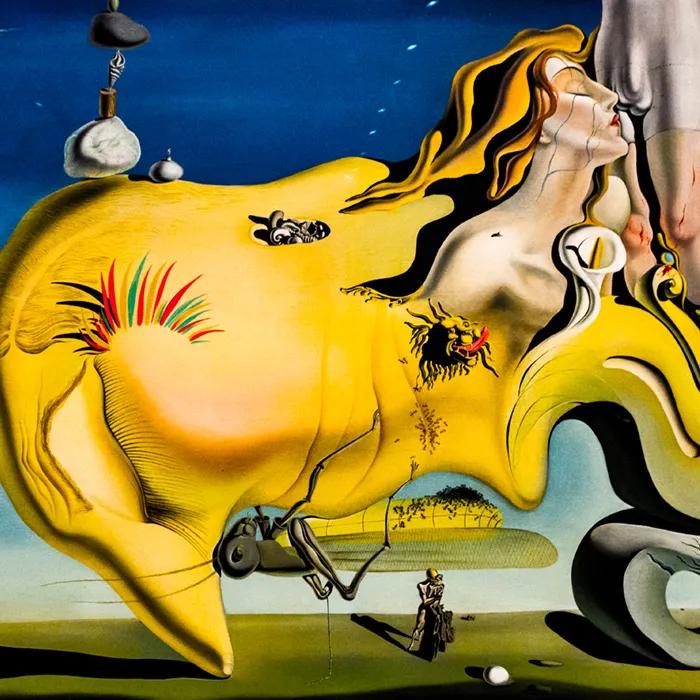
This suggestive painting is only rarely discussed when teaching about the works of Dalí in school. A mass of rocks on Cap de Creus in Catalonia inspired the artist to paint a portrait of a naked woman, whose head is leaning towards the swollen crotch of a man with bloody knees. As with all works by Dalí, anything is possible and his subjects are distorted, tilted or upside-down. Nothing is what it appears to be, so that the viewer quickly becomes mesmerised.
Picasso’s nightmare
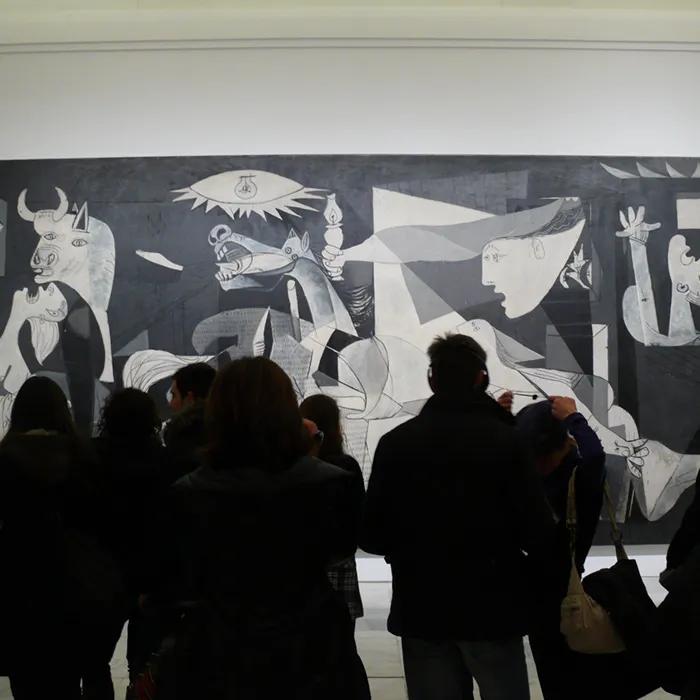
The undisputed highlight of the collection is the only work of art that always hangs in the same place, namely, in room 206 on the second floor. The giant Guernica by Picasso measures 3.5 by 7.8 metres and portrays the horrors of the bombing of Guernica in 1937, when Hitler destroyed the Basque city during the Spanish Civil War at the request of Franco. But don’t spend too much time looking at it because, even though it’s Picasso’s most famous work, it’s sure to give you nightmares.
Related articles
Arts & Culture
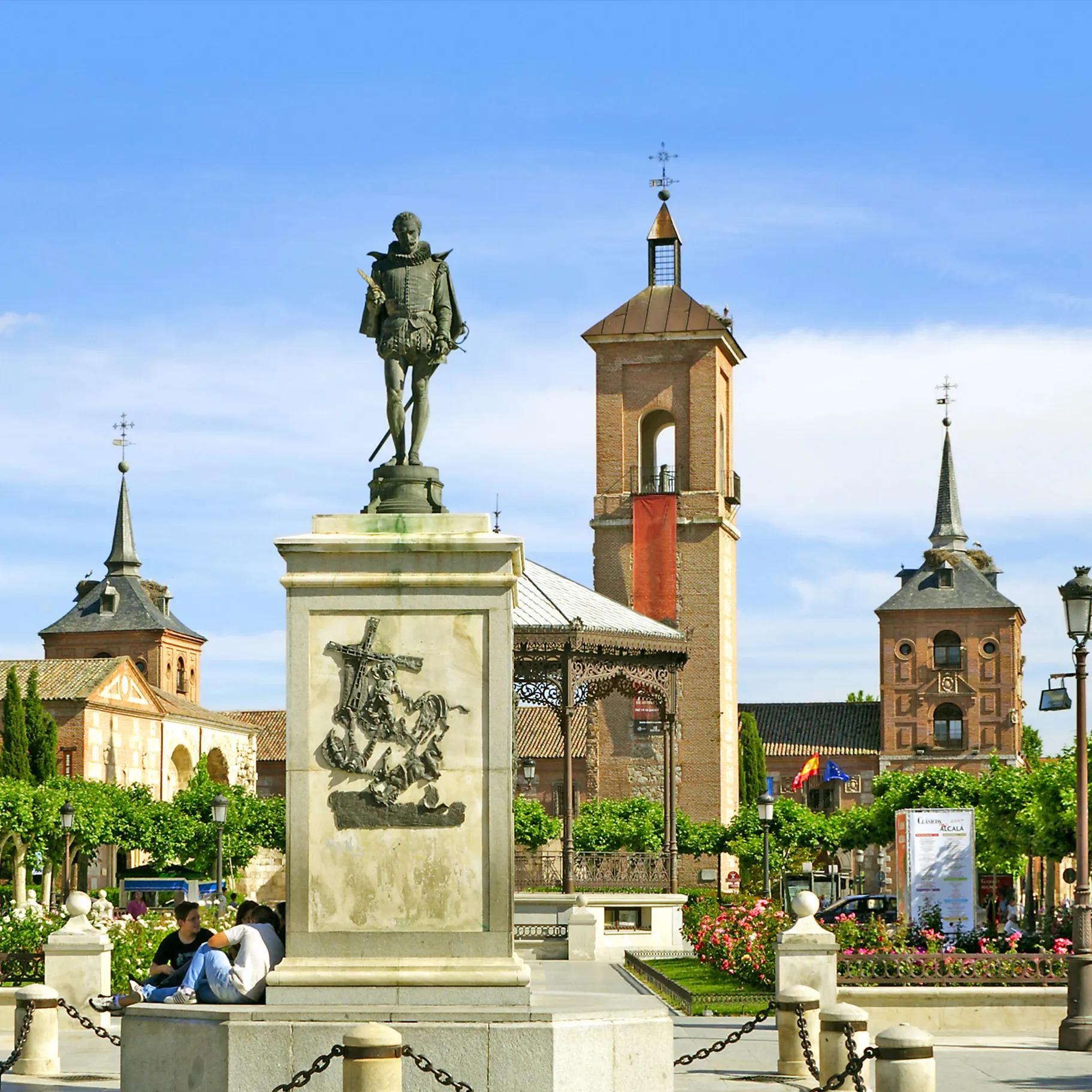
‘Don Quixote’ by Miguel de Cervantes is one of the most famous books in the world. The best way to learn more about this legendary Spanish writer is to visit his birthplace: Alcalá de Henares. The most important square is named after him and the house where Cervantes was born is now a museum. A bronze statue portrays the errant knight and his brave servant seated on a bench.
Arts & Culture
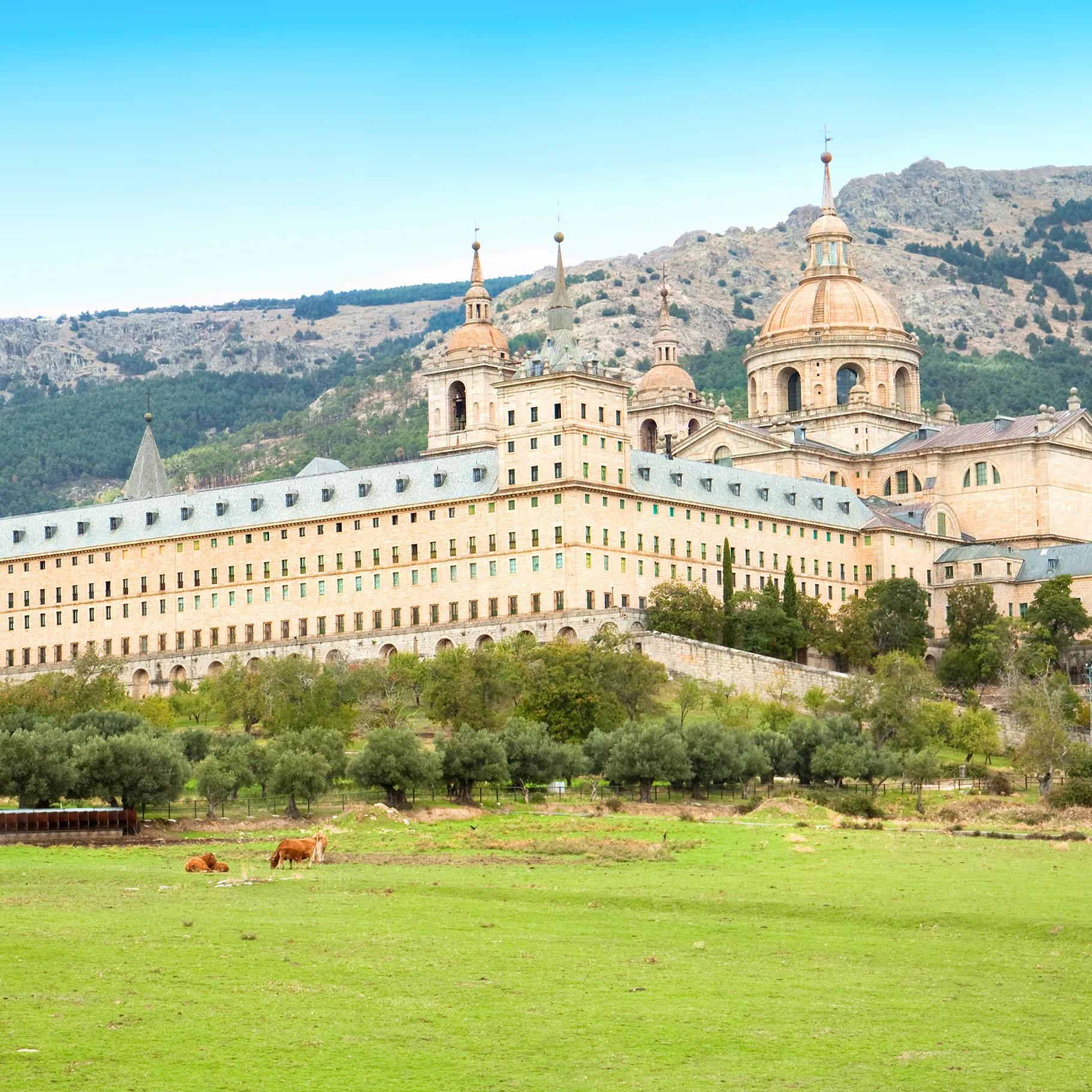
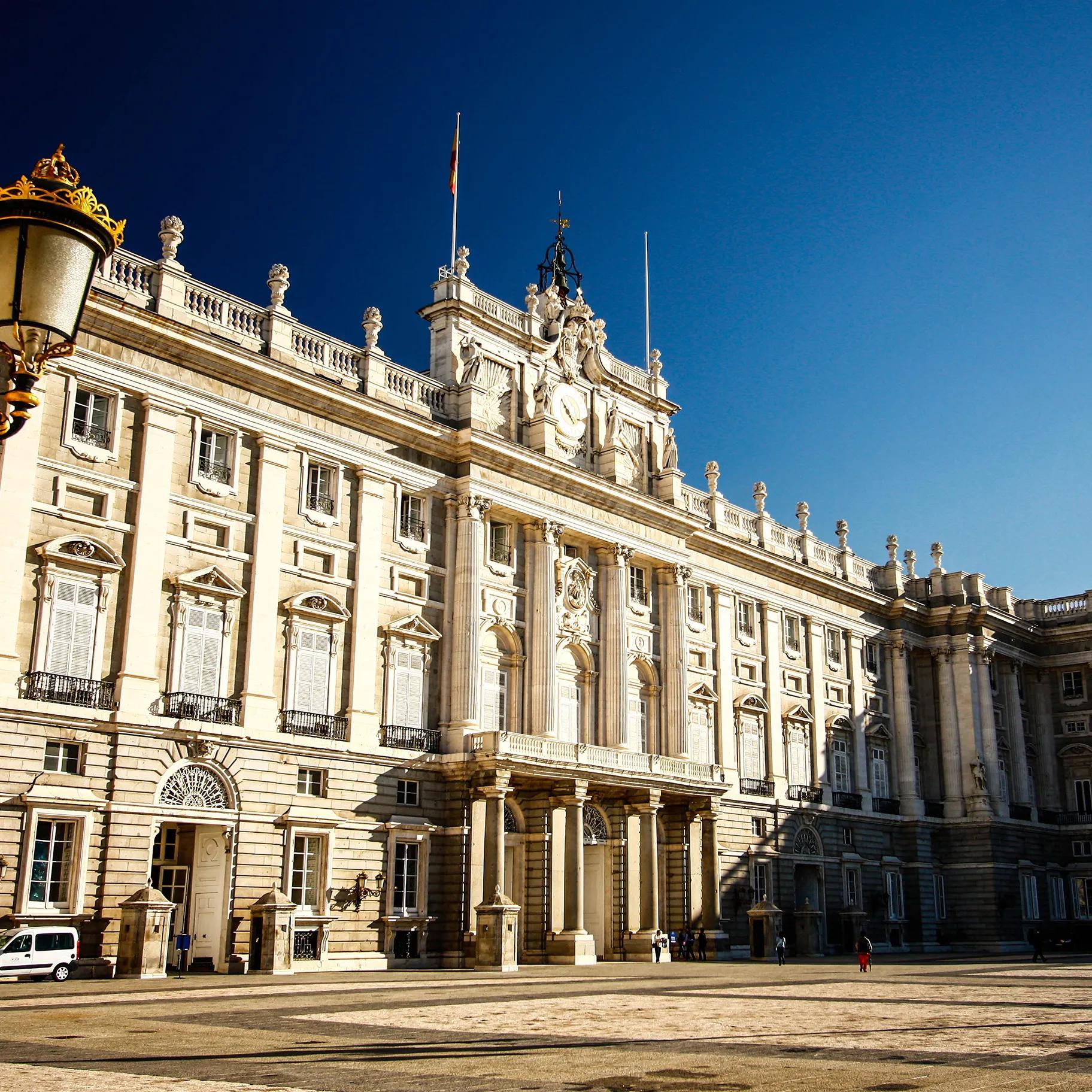
The Palacio Real is one of the most popular attractions in Madrid. The largest royal palace in Europe has 870 windows, 240 balconies, 44 staircases and 2,800 rooms – big enough to spend an entire day exploring. But there are even more grandiose witnesses of the unbridled indulgence of the Spanish royal family around the capital.
Discover other destinations in Europe
*The displayed prices are for one adult. All amounts are in USD. Taxes and surcharges are included. No booking fee is applicable. Prices shown may vary depending on fare availability.
The weather forecast information is provided by World Weather Online. Air France-KLM is not responsible for the reliability of this data.