Beautiful palaces around Madrid
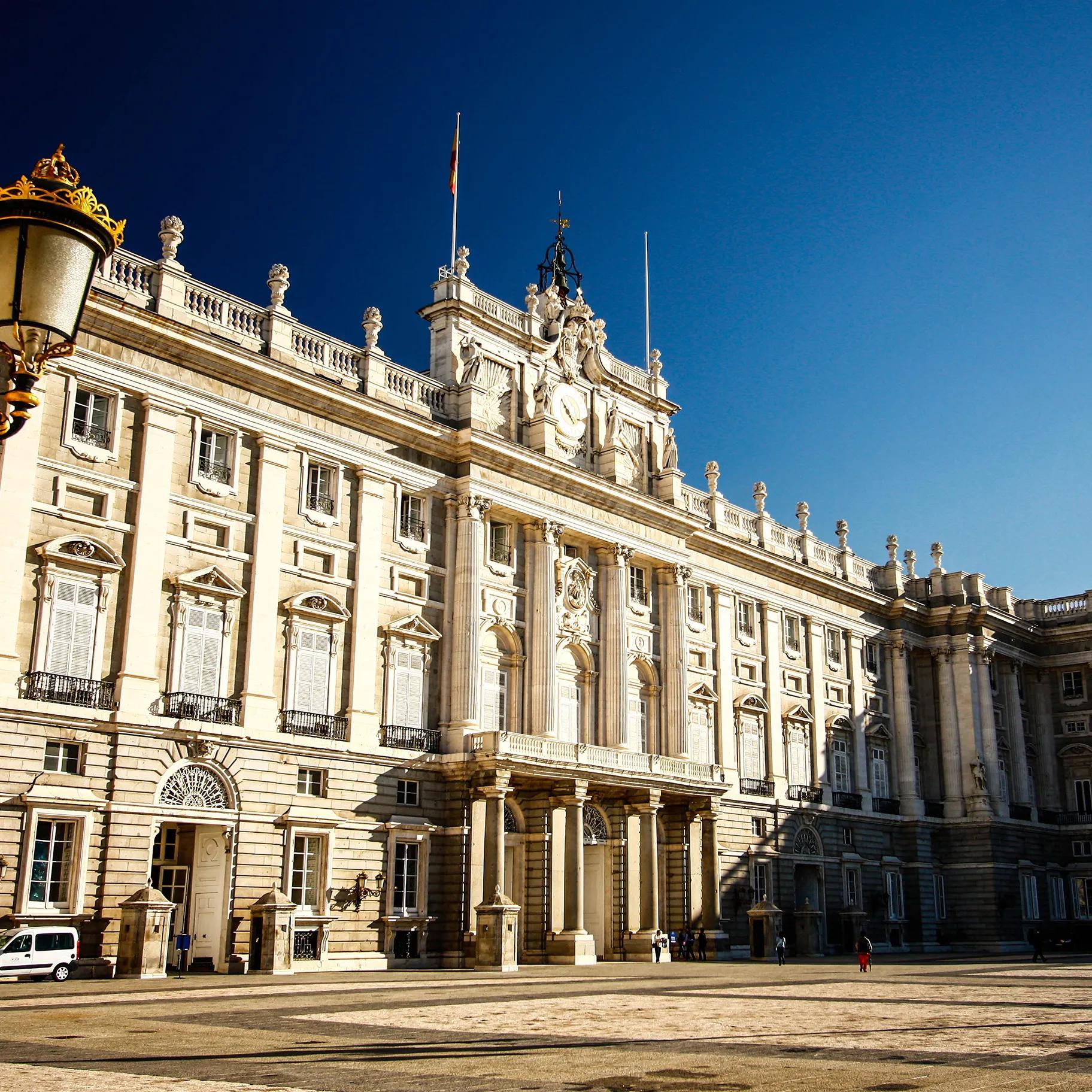
The Palacio Real is one of the most popular attractions in Madrid. The largest royal palace in Europe has 870 windows, 240 balconies, 44 staircases and 2,800 rooms – big enough to spend an entire day exploring. But there are even more grandiose witnesses of the unbridled indulgence of the Spanish royal family around the capital.
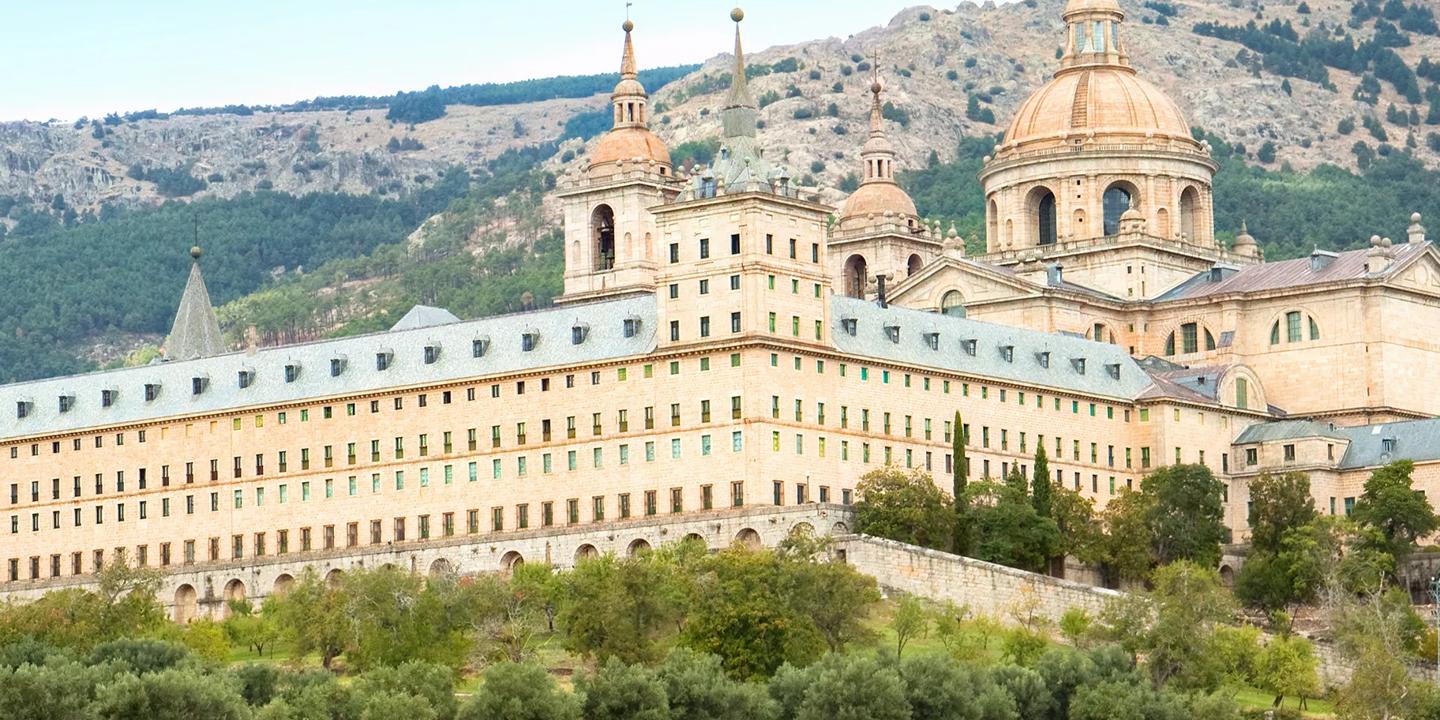
The colossal monastery castle of King Philip II
San Lorenzo de El Escorial is a remote mountain village in the Sierra de Guadarrama mountains. It would never have existed had Philip II, King of Spain and Lord of the Netherlands, not built this immense monastery castle here in the 16th century. El Escorial is a square, granite tower block (no less than 200 m on each side), massive and hideous. Monastery, basilica, seminary, library, pantheon and palace in one, it is the perfect example of megalomania and was promptly added to the list of World Heritage Sites.
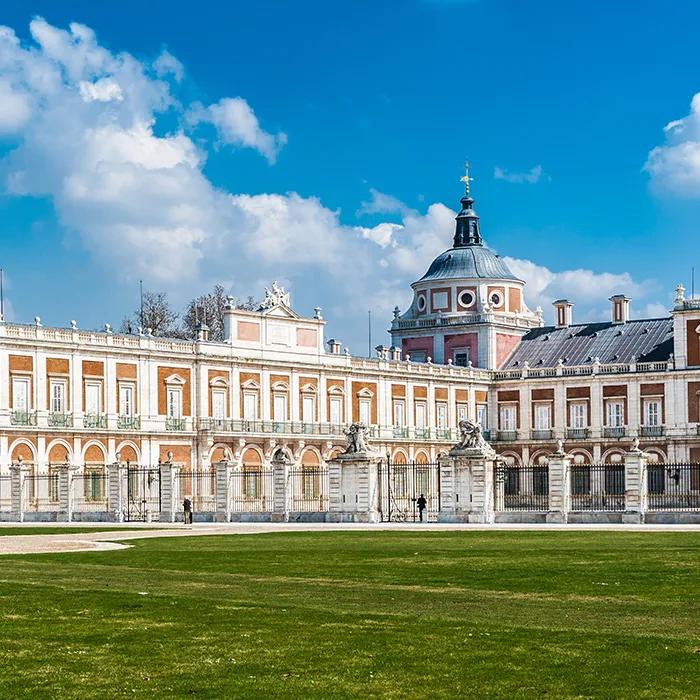
The Versailles of Spain
Another palace built by King Philip II was his summer place and the contrast could not be greater: as hideous as the Escorial is, the Palacio Real de Aranjuez is charming. King Philip chose this location for good reason: this fertile valley along the banks of the Taag is unique in the otherwise dry and barren plateau where Madrid is located.
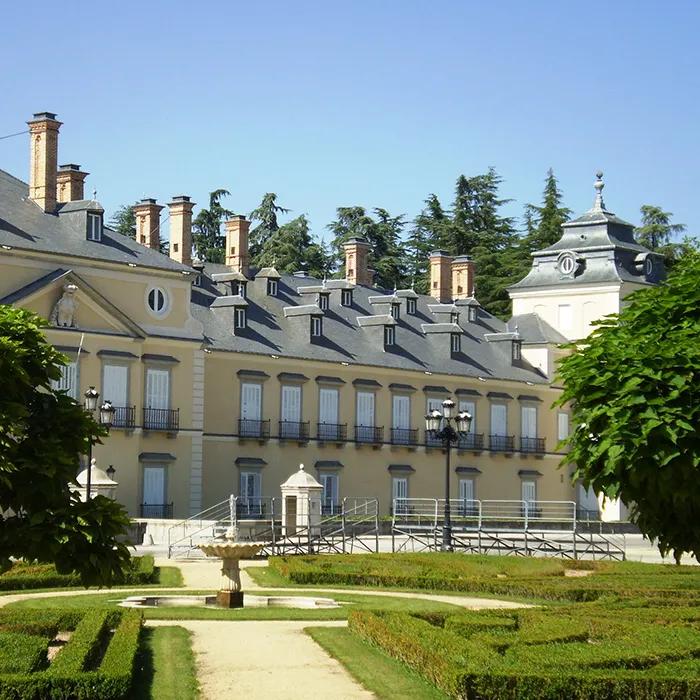
General Franco’s forgotten palace
Of all the palaces in and around Madrid that are open to the public, the 16th-century Palacio de El Pardo is the least visited and the most controversial. The despised dictator General Francisco Franco lived here for decades. He is often described as a man of simple taste, yet he felt quite at home amidst the thousands of kilometres of silk and velvet, crystal chandeliers, shining marble and glitz. Surrounded by 15,000 hectares of hunting grounds, the palace stands atop a mountain so that intruders could be observed and shot from a distance.
Related articles
Arts & Culture
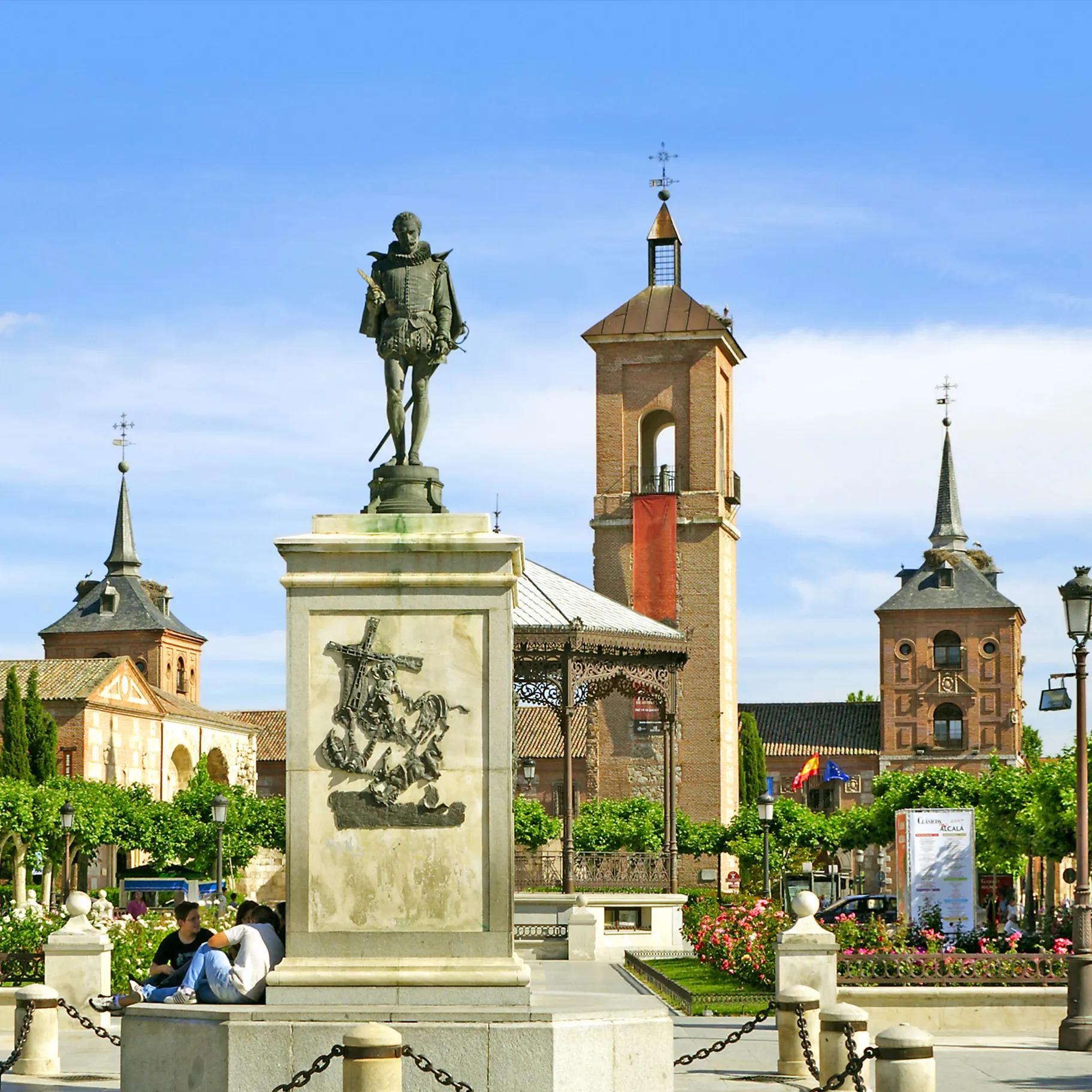
‘Don Quixote’ by Miguel de Cervantes is one of the most famous books in the world. The best way to learn more about this legendary Spanish writer is to visit his birthplace: Alcalá de Henares. The most important square is named after him and the house where Cervantes was born is now a museum. A bronze statue portrays the errant knight and his brave servant seated on a bench.
Arts & Culture
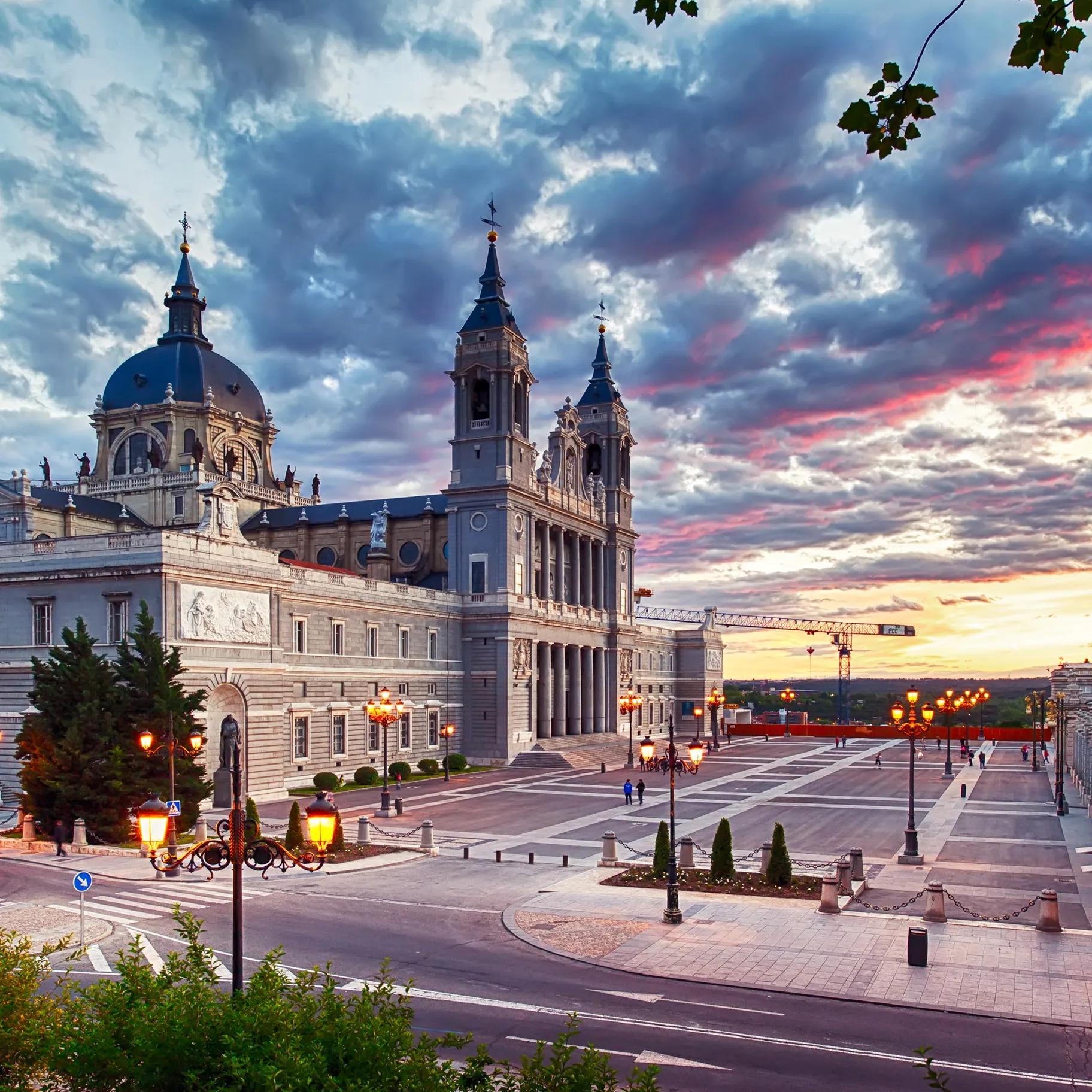
'If you can still remember it, you weren’t actually there.' This Madrid expression can only refer to one event: the cultural revolution that erupted after the death of General Francisco Franco. After almost 4 decades of a ruthless dictatorship, Spain was finally free. The capital of Spain celebrated this freedom with spontaneous street parties that grew into a cultural movement. Madrid was changed forever by the ‘Movida Madrileña’ (literally ‘the Madrid movement’).
Discover other destinations in Europe
*The displayed prices are for one adult. All amounts are in USD. Taxes and surcharges are included. No booking fee is applicable. Prices shown may vary depending on fare availability.
The weather forecast information is provided by World Weather Online. Air France-KLM is not responsible for the reliability of this data.